-
 Why are there so few pigeons in St. Louis? New research from Washington University attributes it to urban design.
 -
 Artificial intelligence could help scientists and state conservationists count waterfowl more quickly and accurately, according to a new study.
 -
 Owen and Quentin Reiser spent a calendar year traveling across the U.S. to identify as many bird species as possible.
 -
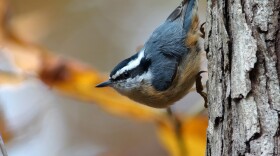 In North America, up to 10 billion birds fly up to 20,000 miles round trip each spring and fall.
 -
 An ornithologist spent four decades tracking 40,000 bird deaths at a single building. His records paved the way to better scientific and public understanding.
 -
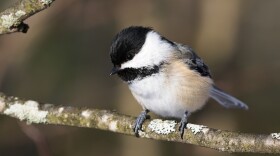 The annual “Great Backyard Bird Count” asks people to track the birds they see and hear over a few days. The information can help researchers better understand bird populations and whether species are declining.
 -
 Two lead-poisoned bald eagles were recently euthanized at the World Bird Sanctuary after efforts to save them failed.
 -
 More than a third of Americans age 16 and up are considered bird-watchers — a figure that has more than doubled since 2016.
 -
 In North America, up to 10 billion birds fly up to 20,000 miles round-trip each spring and fall.
 -
 Listener-funded effort will help prevent glass strikes for migratory birds at STLPR’s home in Grand Center.

© 2026 St. Louis Public Radio
Play Live Radio
Next Up:
0:00
0:00
Available On Air Stations


